
Libraries
WIU Home > Libraries > Area Studies > Bem
Books Every Month
October 2026
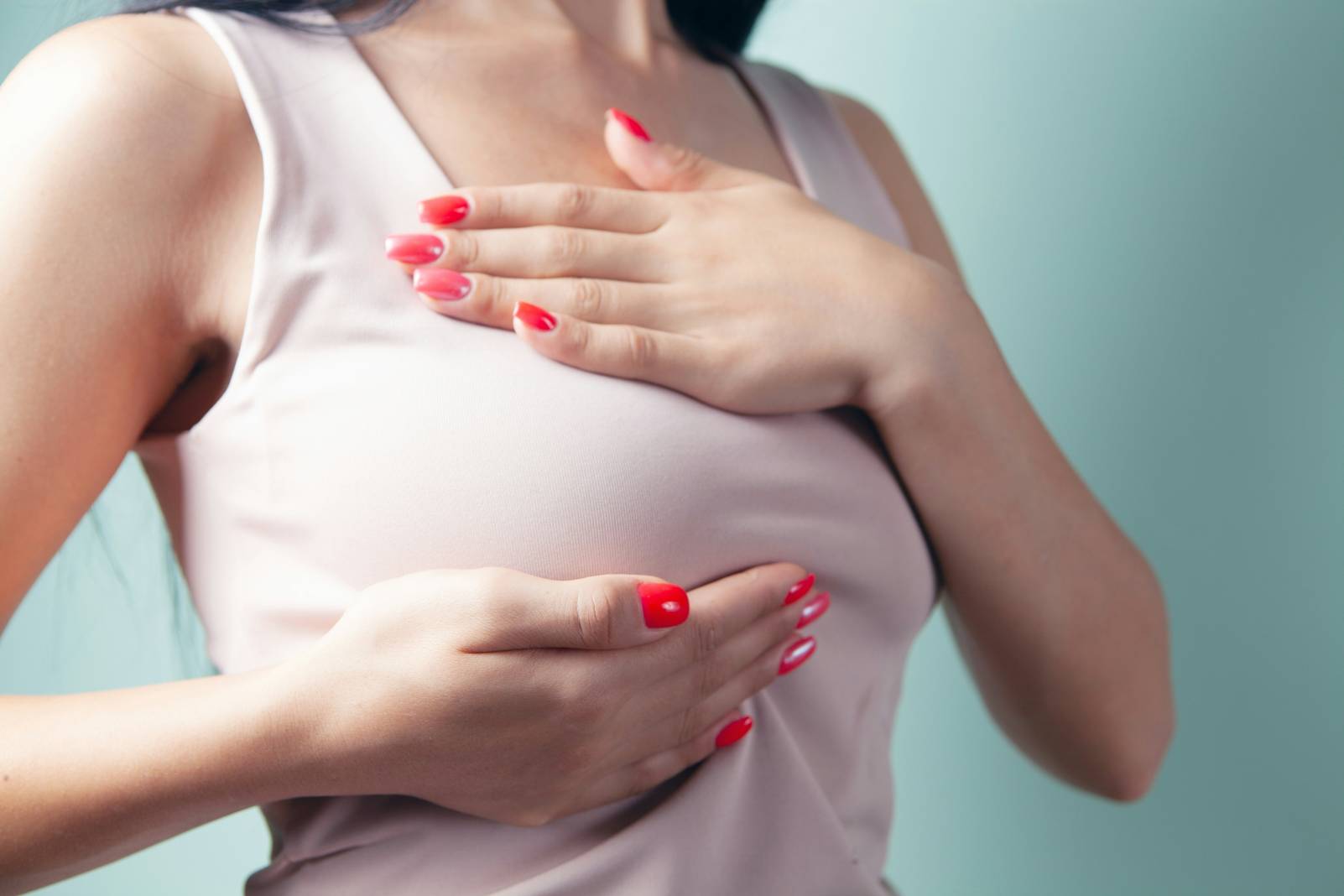
Breast Cancer Awareness Month
Personal Stories
October is Breast Cancer Awareness Month: a time to learn about people’s diverse experiences with breast cancer. In this post, we spotlight memoirs where authors share their own stories about breast cancer.
Science and Health
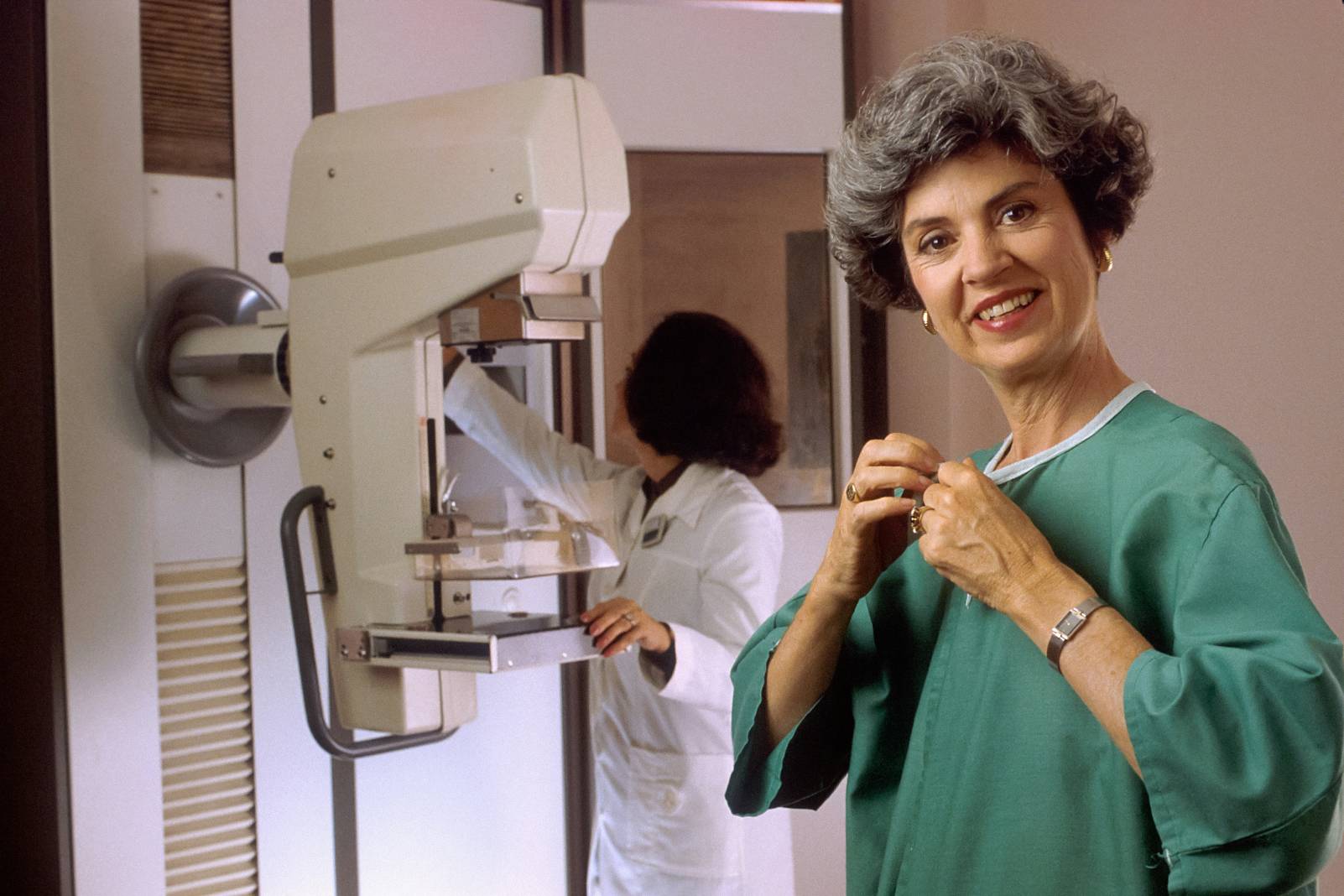
October is Breast Cancer Awareness Month: a time to explore the science, understand screening, and find trustworthy health information. In this post, we highlight research on breast cancer risk and prevention, examine the role of screening, and share resources to help readers navigate health information and have informed conversations with their healthcare providers.
Equity and History
October is Breast Cancer Awareness Month: a time to learn about institutional and cultural challenges associated with breast cancer. In this post, we highlight books that critically examine the societal perspective on breast cancer and how it is being challenged, as well as breast cancer statistics for men.

Called Back: My Reply to Cancer, My Return to Life
Called Back tells the story of the author, Mary Cappello’s experience with breast cancer, starting with her diagnosis and ending with her remission and return to “normal” life. Cappello talks about the range of emotions she felt during her diagnosis and treatment. Cappello relates different parts of her treatment with personal anecdotes and classic English literature. She examines some of the euphemisms and imagery often associated with cancer. This thought-provoking memoir shows the toll that cancer can take on a person and reminds people that all feelings about cancer are valid.
Read this if you want a complete, detailed experience about cancer that isn’t afraid to share the good and the bad.
“A person following treatment for breast cancer will never be doing fine, though she will be doing differently.”
Content Warning: contains illness details and terminal cancer. Strong language also used.
Check out the book here
Exploding into life
Exploding into Life is a photo-text memoir by Dorothea Lynch and Eugene Richards. It tells the story of Lynch’s breast cancer, from her diagnosis through treatment, the return of the cancer, and her approaching death. Lynch’s diary-like writing, along with Richards’s personal black-and-white photographs show cancer as a physical, emotional, and shared experience rather than only a medical condition.
Read this if you want to understand how writing and photography can help someone tell their own story.
“Cancer is a disease of life, not death.”
Content Warning: contains surgery and chemotherapy, intimate photographs showing a mastectomy scar, terminal illness, death, and grief.
Check out the book here
Kimiko Does Cancer: a graphic memoir
In a graphic novel format, Kimiko Tobimatsu shares her story as a 25-year-old, biracial, queer woman with breast cancer. She shares her anxieties during the time, like her queerness leading to a level of mistrust in doctors, as well as the ways in which her body changed, like induced and prolonged menopause. She is open about how her relationships with friends and family changed. Tobimatsu is honest about the cancer community, and how cancer can build a community, but it is the only thing these people have in common.
Read this if you want an understanding of how cancer affects a young person, both mentally and physically.
“These fears linger in the background and surface whenever my body feels off.”
Check out the book here
Lopsided
Meredith Norton was thirty-four years old Black-American , living in Paris with her French husband and young child, when she was diagnosed with an aggressive form of breast cancer. After four French doctors missed it, she learned the truth while visiting her parents in California. The book follows her treatments and her move back in with her “compulsive parents and their five television sets.” Alongside the medical details, Norton shares funny and strange memories from her offbeat life—living in a treehouse, teaching public school, and more. She refuses to be a stereotype. The result is a memoir that treats a serious subject without losing its sense of humor.
Read this if you want a cancer memoir that makes you laugh as often as it makes you think.
“Life is often a struggle, and it takes away all the peps and funny times.”
Content Warning: contains descriptions of cancer treatment, surgery, and illness. Also includes strong language and frank discussions of death.
Check out the book here
Facts
The 5-year relative survival rate for breast cancer diagnosed at a localized stage is over 99%, but drops to 32% for distant-stage disease (American Cancer Society, 2026).
Breast cancer can affect younger women: approximately 1 in 10 women diagnosed with breast cancer are under age 45, according to the American Cancer Society (American Cancer Society, 2026).
In 2022, a total of 27,136 new cases of breast cancer were reported in women younger than 45 years in the United States (Centers for Disease Control and Prevention, 2025).
Breast cancer is the most common cancer among women in the United States besides skin cancers, accounting for about 1 in 3 new cancer diagnoses in women each year (American Cancer Society, 2026).
Breast cancer screening with mammography : an updated decision analysis for the U.S. Preventive Services Task Force
This technical report uses six computer simulation models to estimate outcomes of different breast cancer screening strategies. The models compare screening that starts at ages 40, 45, or 50 and stops at ages 74 or 79, using either digital mammography or 3D mammography (tomosynthesis) at annual, biennial, or mixed intervals. The report estimates benefits like breast cancer deaths averted and life-years gained, and harms like false-positive recalls and overdiagnosis. Results informed the U.S. Preventive Services Task Force’s 2024 recommendation for biennial screening starting at age 40. The models also estimate outcomes for Black women and women with dense breasts or higher risk.
Read this if you want to understand the research behind breast cancer screening recommendations and why guidelines differ by age and risk level.
Content Warning: technical and statistical content. Includes discussion of false-positive results, overdiagnosis, and cancer mortality.
Check out the report here
Breast Cancer: Global Quality Care.
This book shares information about cancer statistics around the world, including how at risk people are to get it depending on their genetics and risk behaviors and how differently parts of the world screen for and treat cancer. The editors dive into the education breast cancer surgeons receive, the cost of cancer treatment, and the role the government plays in cancer research. This book also provides a detailed explanation of each step in the breast cancer screening, diagnosis, and treatment process, including post-treatment care.
Read this if you are interested in healthcare processes around the world and want a comparison of how one disease is treated in different parts of the world.
“Huge global disparities in the empowerment of breast cancer patients exist, impacting treatment decisions and overall autonomy.”
Content Warning: discusses cancer mortality and shows graphic imagery.
Check out the book here
Cáncer de seno: por qué importa el medioambiente.
This document discusses the risk of developing breast cancer based on specific factors, such as the interplay between genetic, hormonal, environmental, and lifestyle-related elements. Through the Sister Study—which includes more than 50,000 women who have sisters diagnosed with the disease—the NIEHS is investigating how air pollution, certain hair products, obesity, sleep, and childhood experiences relate to this risk. Its primary goal is to identify exposures and periods of heightened vulnerability in order to guide prevention strategies and reduce the burden of the disease.
Read this if you want to understand how the environment, daily habits, and genetic factors relate to the risk of developing breast cancer. You might also be interested if you are looking for research on prevention and the impact of air pollution on women's health.
“La mayoría de los expertos están de acuerdo en que una combinación de factores genéticos, hormonales y medioambientales llevan al cáncer de seno.”
Content Warning: discusses cancer and mentions experiences of childhood abuse.
Check out the report here
Facts
The USPSTF recommends biennial screening mammography for women aged 40 to 74 years (U.S. Preventive Services Task Force, 2024).
About 40% of all breast cancers could have been prevented by reducing alcohol consumption, adult weight gain, physical inactivity, and current postmenopausal hormone use (Verhoeven, 2026).
“Research can help us identify environmental exposures that are linked to breast cancer. Therefore, reducing those exposures could prevent the disease.” (NIEHS, 2025)
Assemblages of cancer : experiences and contexts of breast cancer in the UK, France, and Italy
Do social environments shape breast cancer experience? What about inequality? This book explores how social and cultural landscapes and inequalities shape experiences of breast cancer and responses from patients, medical professionals, and institutions. Greco also looks at the “breast cancer-ization” of other types of cancer and why some patients of pancreatic cancer, with its low survival rates, may be a little jealous of breast cancer patients. Greco also highlights the femininity of the disease and how it affects people’s ideas of what makes them feminine and how it can create body image issues for many women.
Read this if you are interested in how politics and culture affect breast cancer diagnoses and treatments.
“Illness shatters the boundaries of our body, identity, and life.”
Check out the book here
Mammographies: The Cultural Discourses of Breast Cancer Narratives
Is the pink ribbon overused? Why do we avoid saying cancer? From the pink ribbon to genetics to femininity to humor, this book examines how society views breast cancer. Mary DeShazer examines language and imagery used around breast cancer and how that affects the way people think about the diseases, its survivors, and those whose lives it took. DeShazer employs theories from gender studies, photography, trauma studies, medical humanities, and much more to examine breast cancer’s place in society and if we can change it.
Read this if you are interested in language, imagery, and symbolism regarding breast cancer.
“A cancer culture that privileges survivorship does injustice to the dead and dying.”
Content Warning: discusses cancer mortality and shows images of breast cancer.
Check out the book here
From Surviving to Metaviving: A New Rhetorical Formation in Metastatic Breast Cancer Patient Discourse.
Julie Mengert examines how women with metastatic breast cancer talk about their illness in an online support group. As treatments improve and some patients live for years with stage 4 disease, the old “war” and “survivor” metaphors no longer fit. Mengert shows how these women are developing a new language “metavivor” rhetoric using metaphors of water, prison, and liminality. They exist in a state where cancer neither progresses nor retreats, experiencing time differently. This shift matters because it acknowledges what it means to live with a chronic yet ultimately terminal illness, and it challenges the mainstream breast cancer culture that treats “survivor” as the only valid identity.
Read this if you want to understand how language shapes the experience of terminal illness and why “survivor” isn’t the only story worth telling.
Check out the book here
Male Breast Cancer Statistics
Men also get breast cancer; fewer than 1% of U.S. breast cancers occur in men (American Cancer Society, 2026).
Approximately 2,670 men are expected to be diagnosed with invasive breast cancer in the United States in 2026 (American Cancer Society, 2026).
Approximately 530 men are expected to die from breast cancer in the United States in 2026 (American Cancer Society, 2026).
The average age at diagnosis is between 60 and 70 years (American Cancer Society, 2026).
The average lifetime risk of breast cancer among men is approximately 1 in 755. Individual risk varies (American Cancer Society, 2026).
Sources and further reading
Trusted Sources
Featured Books Bibliography
- Cappello, M. (2021). Called Back : My Reply to Cancer, My Return to Life (1st ed.). Fordham University Press,. https://doi.org/10.1515/9780823294060
- DeShazer, M. K., & Michigan Publishing, publisher. (2013). Mammographies : the cultural discourses of breast cancer narratives (1st ed.). University of Michigan Press. https://doi.org/10.3998/mpub.5571825
- Greco, C. (2025). Assemblages of Cancer: Experiences and Contexts of Breast Cancer in the UK, France and Italy. Manchester University Press.
- Lynch, D., & Richards, E. (1986). Exploding into life. Aperture in association with Many Voices. (Malpass Library Book Collection).
- Mengert, J. (2025). From surviving to metaviving: A new rhetorical formation in metastatic breast cancer patient discourse. Bloomsbury Publishing.
- National Institute of Environmental Health Sciences. (2025, January). Cáncer de seno: Por qué importa el medioambiente. National Institutes of Health.
- Norton, M. (2009). Lopsided. Penguin Books.
- Tobimatsu, K. (2020). Kimiko does cancer : a graphic memoir (K. Geniza, Ill.). Arsenal Pulp Press.
- Trentham-Dietz, A. (2024). Breast cancer screening with mammography : an updated decision analysis for the U.S. Preventive Services Task Force. Agency for Healthcare Research and Quality US.
- Verhoeven, D., Kaufman, C. S., Roy, P. G., & Siesling, S. (2026). Breast Cancer : Global Quality Care. (2nd ed.). Oxford University Press, Incorporated.
Digital Bibliography
- American Cancer Society. (2026, June 24). Key statistics for breast cancer. American Cancer Society. https://www.cancer.org/cancer/types/breast-cancer/key-statistics.html
- American Cancer Society. (2026b, July 23). Survival rates for breast cancer. American Cancer Society. https://www.cancer.org/cancer/types/breast-cancer/understanding-a-breast-cancer-diagnosis/breast-cancer-survival-rates.html
- Centers for Disease Control and Prevention. (2025, August 15). Breast cancer among women younger than 45. Centers for Disease Control and Prevention. https://www.cdc.gov/united-states-cancer-statistics/publications/breast-cancer-among-young-women.html
- American Cancer Society. (2026, January 13). Key statistics for breast cancer in men. https://www.cancer.org/cancer/types/breast-cancer-in-men/key-statistics.html